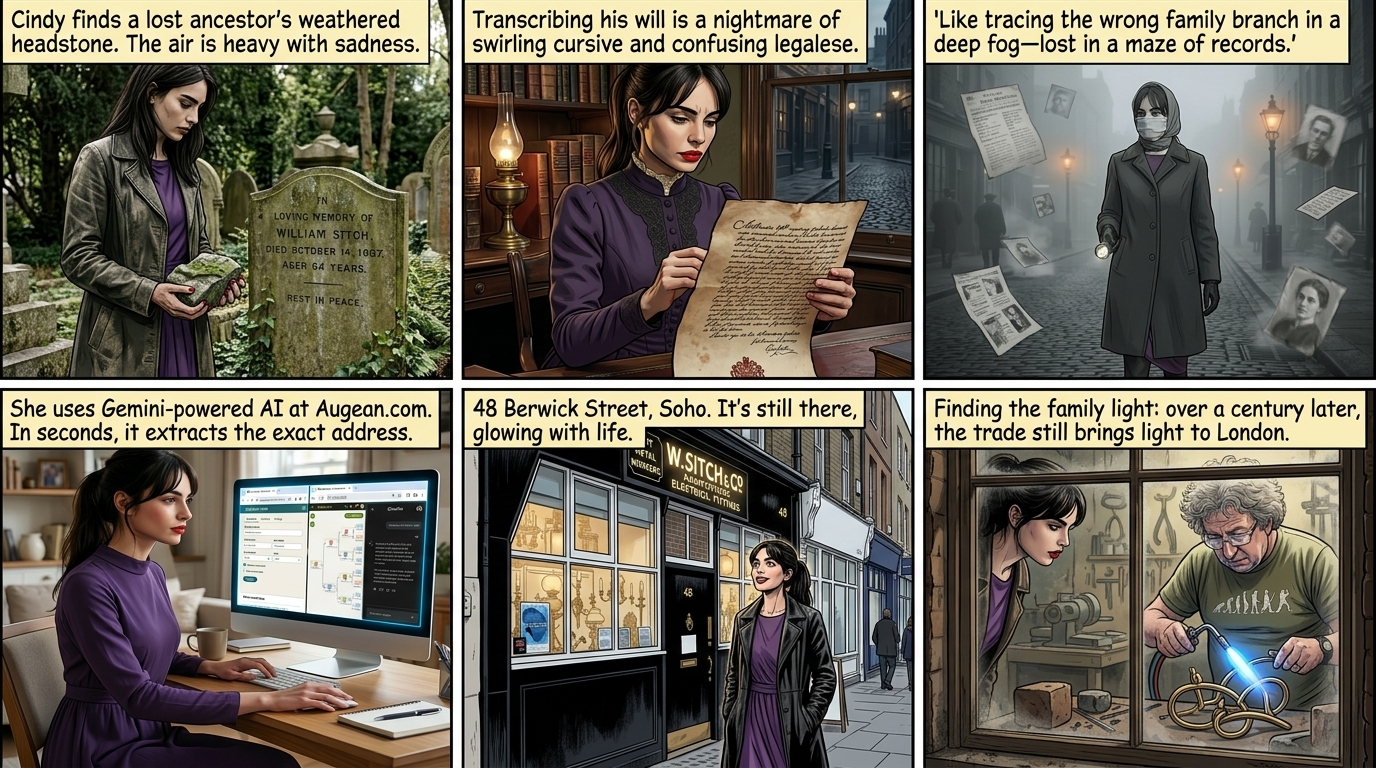
The damp, heavy air of the old East End cemetery clung to Cindy as she stared down at the weathered headstone. The stone was covered in decades of grime and moss, but the name was still discernible: William Sitch, Died 1887. He wasn't just a name in a parish index; he was her great-great-great-grandfather.
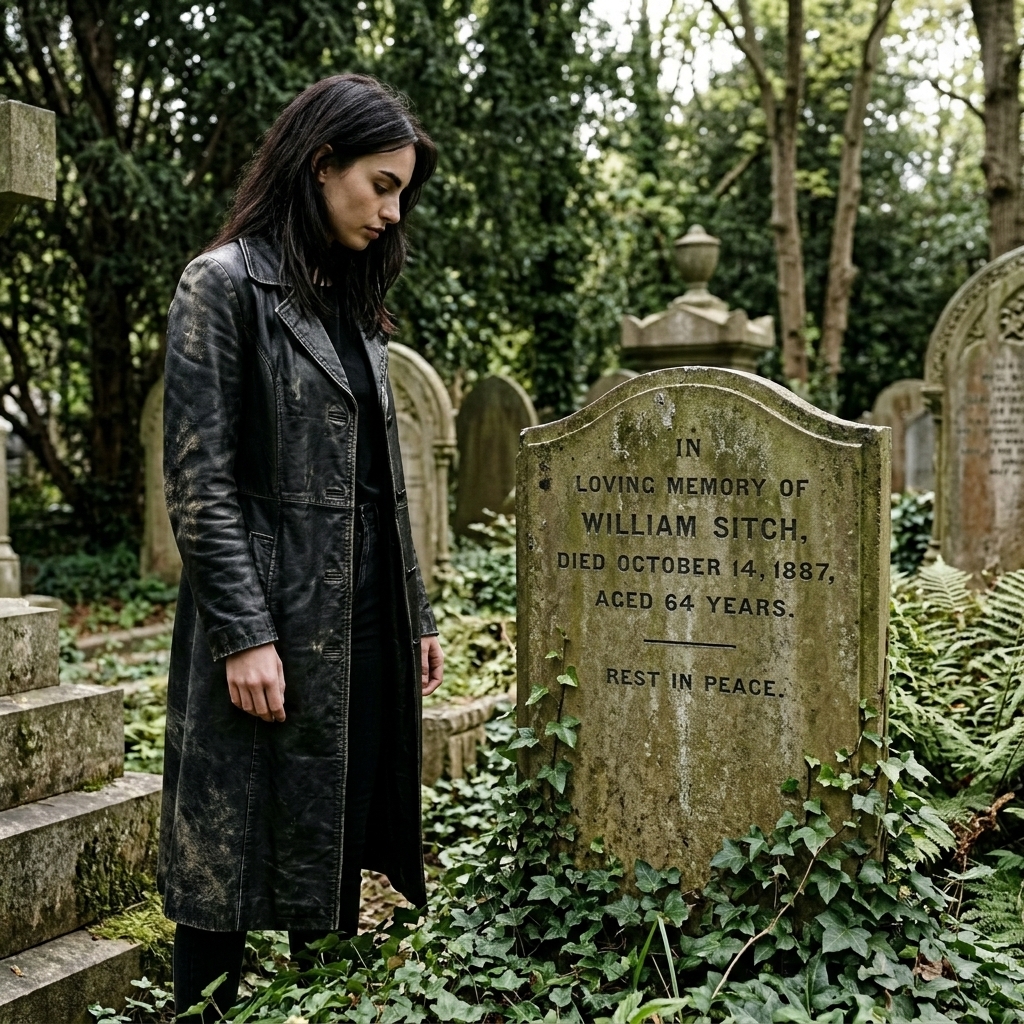
Yet, looking at the granite slab, Cindy felt a profound wave of sadness familiar to any dedicated family historian. The century separating them felt like an unbridgeable chasm. She knew when he was born and when he died, but the dash between those dates was entirely blank. He was family, but he remained a complete stranger. She had hit the ultimate brick wall.
Determined to find the man behind the headstone, Cindy requested a copy of his probate record. Weeks of eager waiting finally rewarded her with a digitized scan of William’s last will and testament. But her excitement flatlined the moment she opened the file. It was a sprawling, dense document written in the cramped, swirling cursive of a 19th-century solicitor who apparently loathed punctuation.
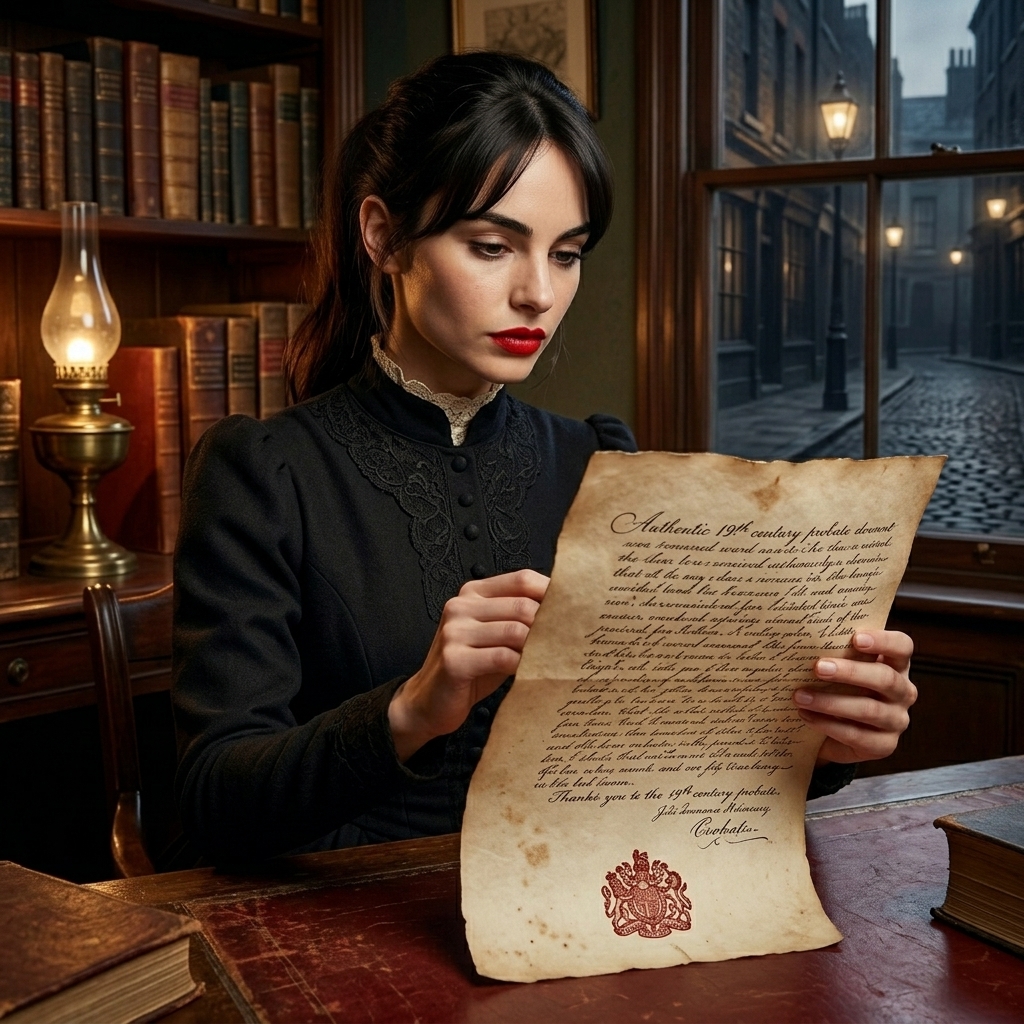
She spent evenings squinting at her monitor. Standard OCR (Optical Character Recognition) software spat back complete gibberish. Trying to manually transcribe it was agonizing; she couldn't separate the boiler-plate legalese from actual familial clues.
When she tried to take the few names she *could* decipher and cross-reference them with the 1881 census, disaster struck. There were dozens of Sitch families in Bethnal Green and Stepney. She found five different William Sitches, all born within a few years of each other, sharing overlapping trades as brass founders and metalworkers.
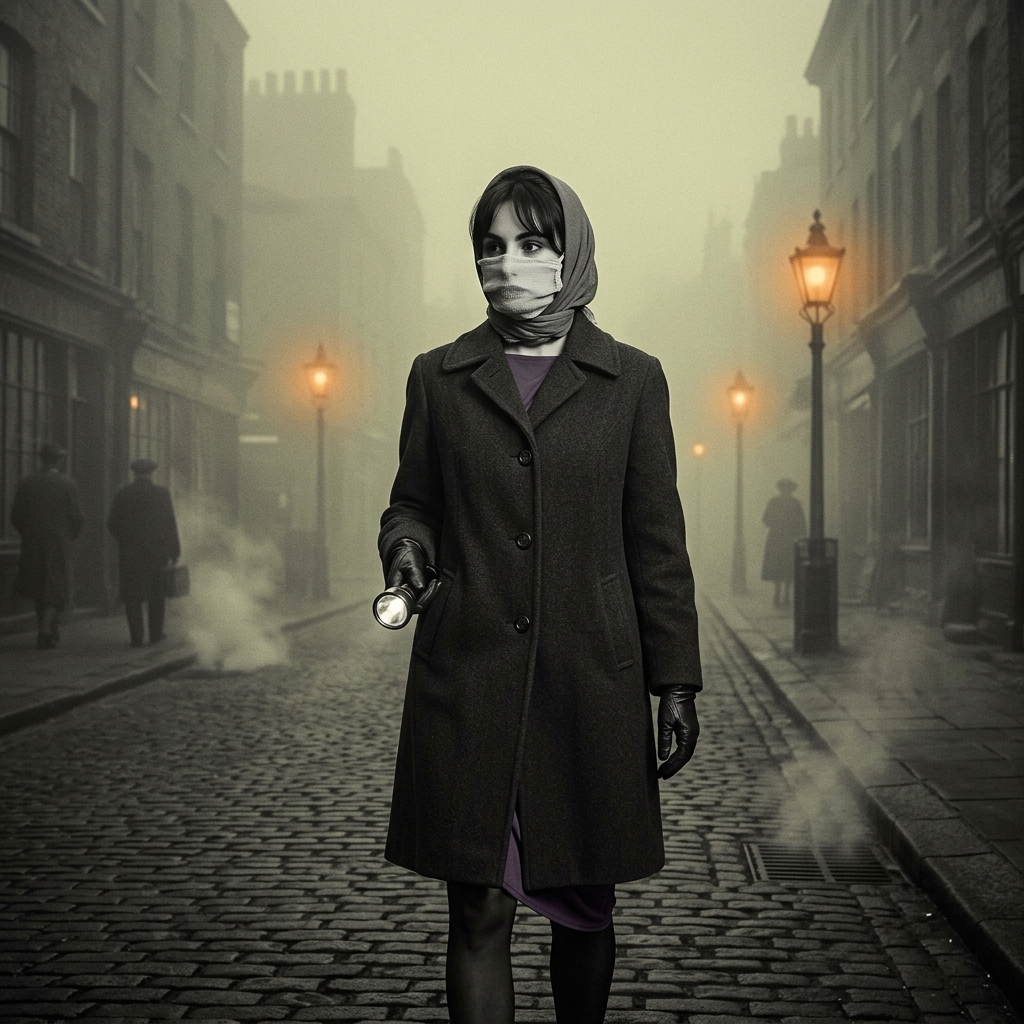
Cindy felt entirely consumed by the data. It was like trying to navigate a classic 1950s London Pea Souper smog—blind, suffocating, and terrifyingly easy to take a wrong turn. The past wasn't just fading; it was actively hiding behind a thick blanket of unstructured, noisy records. She was terrified of spending months tracing the wrong family branch.
Ready to try a radical new approach, she turned to the modern genealogist's newest ally. She didn’t just type a name into a search box; she uploaded the entire messy, illegible PDF of the 1887 will directly into Augean.com, a platform powered by Gemini's multimodal Artificial Intelligence.

Because Gemini is "multimodal"—meaning it processes images and text simultaneously—it didn't just guess at shapes like an old scanner. It used Natural Language Processing to understand the *context* of the 19th-century phrasing. In seconds, it parsed the dense handwriting, isolated the names of executors to confirm this was *her* specific William Sitch, and extracted key entities that human eyes had missed entirely.
Translation & Extraction Complete:
Abstracted legal phrase: "...all that my messuage or tenement situate and being Number 48 Berwick Street, Soho..."
Genealogical Insight: Identified one specific commercial property asset held in trust. Cross-referencing census data confirms a William Sitch at this address associated with brass working.
Cindy froze, her coffee cooling on the desk. The legal smog had concealed a geographical goldmine. She had an exact address: 48 Berwick Street, Soho. Driven by a mix of soaring anticipation and the dreadful fear that the site would now be a chain coffee shop or a parking garage, she booked a train ticket to London.
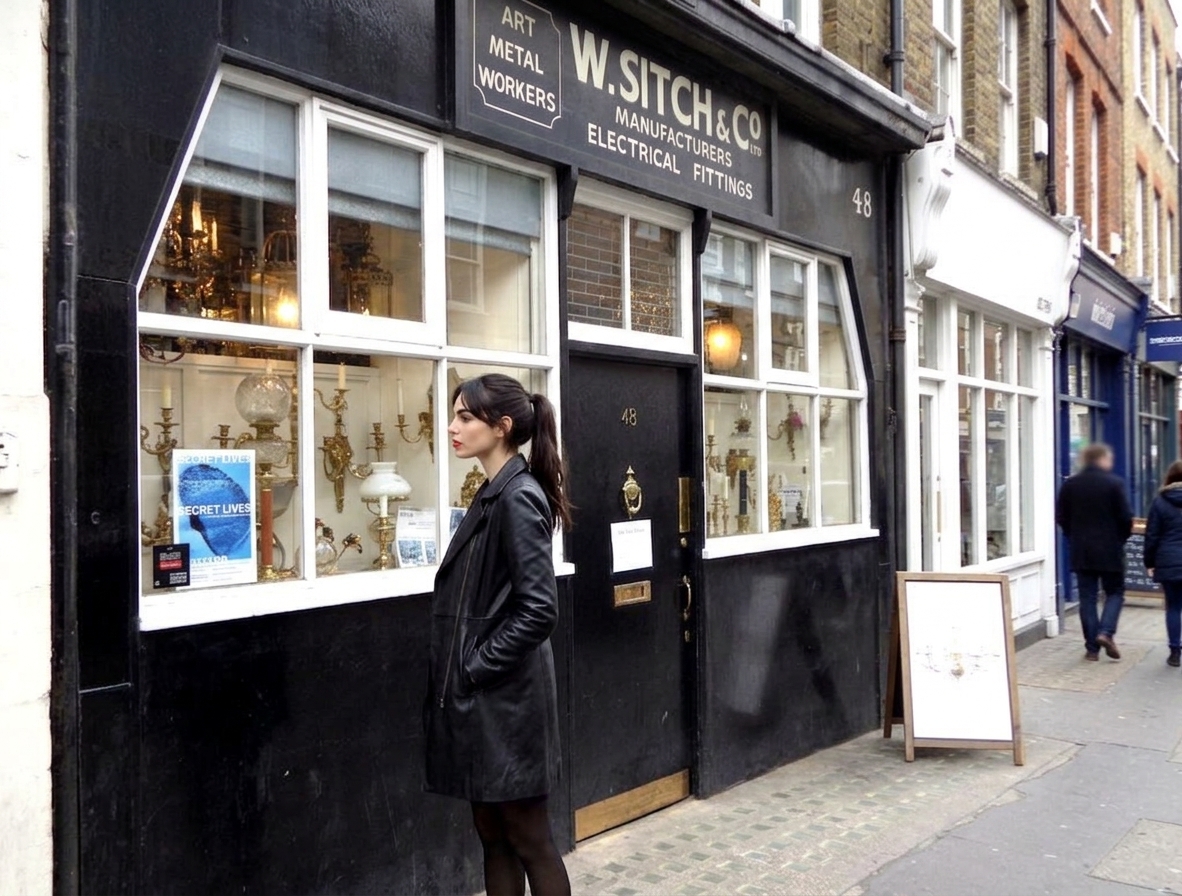
When she arrived on the bustling Soho street, her breath caught in her throat. It was still there. While neighboring properties had been swallowed by modern commercial conversions, number 48 retained its historic, brick-faced character. But it wasn't just the architecture that stopped her—it was the warm glow spilling onto the pavement from inside.
The shop was alive. Peering through the dust-streaked windows, Cindy's eyes widened at a maze of machinery, brass fittings, and wires. They weren't selling vintage clothes or pouring lattes. They were manufacturing lighting. The Sitch family trade, the very one her great-great-great-grandfather had built, was miraculously alive in the 21st century.
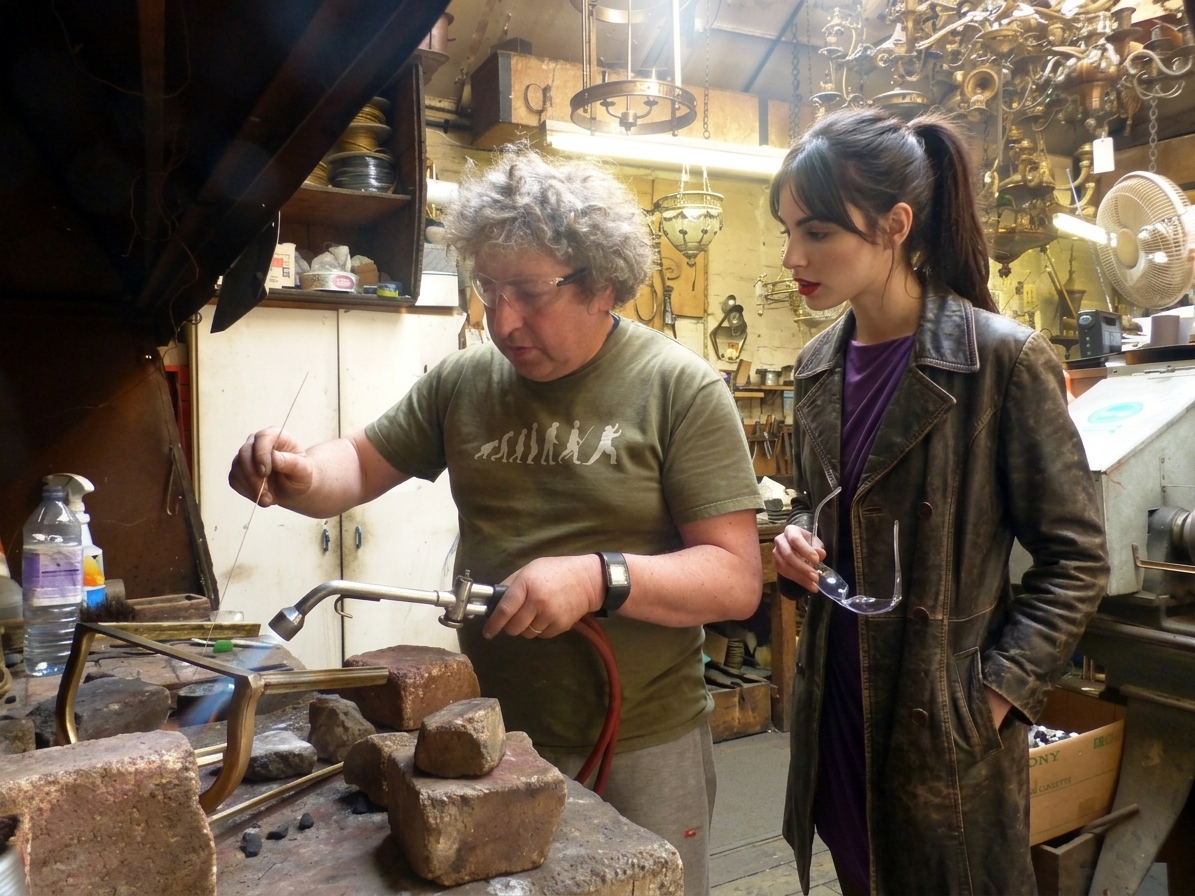
Emboldened, she pushed the heavy door open, the bell chiming above. The smell of hot metal, flux, and ozone hit her immediately—the exact same scent William would have known. A focused workman, clad in a leather apron, was hunched over a workbench, carefully welding a delicate branch of an intricate brass fixture.
The genealogical path was no longer a hazy, smog-filled labyrinth. By using AI to clear the fog of the archives, she hadn't just found a record; she had found her family's business, still bringing light to London over a century later.